
Household waste, Zero waste
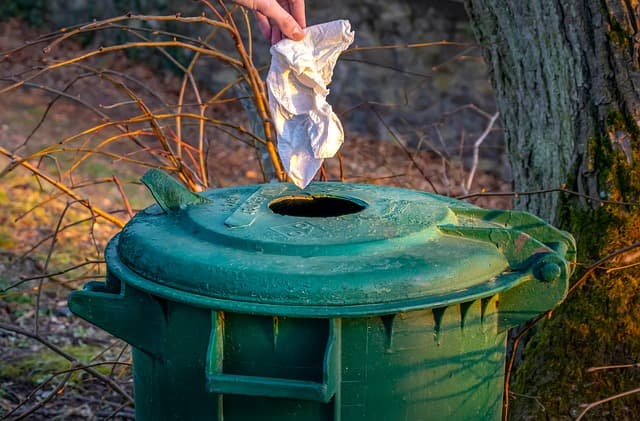
Here is another article full of tips on how we can reduce the amount of waste our households produce. I know, we've all seen the statistics on how the average household fills a whole bin with waste every month.
It's easy to feel overwhelmed and powerless in the face of such a big problem. But fear not! Today I'll share a whole bin full of practical tips and tricks to help you cut your household waste drastically. Reducing waste isn't about perfection, it's about progress, so every little bit helps. So let's get started!
Stop excess packaging at the source
A huge source of household waste is excessive product packaging. Think of all those glossy wrappers, useless plastic sleeves and large amounts of filling material. It's simply designed to catch our eye in the shop and then go straight into the bin.
Fortunately, we as consumers have power. Vote with your wallet and stop buying over-packaged products. Look for packaging-free shops or products with minimal, recyclable or compostable packaging. Or bring your own reusable bags and containers.
See my post on zero waste shopping for more specific tips.
Prevent food waste
Another source of waste is food waste. The average household throws away hundreds of euros' worth of food every year! That's a waste of money and of food. And sometimes it goes into the bin packaging and all. Such a waste of all that food!
The solution? Take stock of what you already have in your fridge and cupboards. Plan recipes that use what you have before it goes off. Make a shopping list and stick to it: no impulse buys that turn into forgotten leftovers at the back of the fridge!
Get the whole family involved in cooking and use leftovers creatively.
Get rid of single-use items
Paper towels, plastic cutlery, disposable wipes, sandwich bags: these quick conveniences generate a lot of waste! Consider going reusable where you can:
Cloth napkins and dishcloths instead of paper towels
Reusable containers instead of sandwich bags and cling film
Reusable straws, cutlery and glassware for takeaways and picnics
Washable silicone scrubbers instead of disposable sponges
Reusable cloths instead of kitchen roll
Switching can be a challenge at first, but it soon becomes a habit. The fewer single-use products you buy, the less waste you have to throw away.
For more ideas, see my article on switching to reusable products.
Avoid single-use plastic
Plastic waste is the number one problem when it comes to litter. Those thin shopping bags, drink bottles, disposable cutlery and straws are used for only a few minutes, but they last forever!
Avoid single-use plastic where you can:
Use reusable bags, bottles and food containers
Choose loose products instead of pre-packed ones
Say no to straws, cutlery and extras you don't need
Buy in bulk and use your own reusable containers
Compost your waste
Organic waste such as food scraps and garden waste makes up about 30% of what we throw away. If it ends up in general waste, all that good stuff simply goes to the incinerator instead of enriching the soil.
Start composting as much organic material as you can:
- Food scraps
- Leftover and spoiled food
- Coffee grounds and filters
- Tea bags
- Leaves and garden waste
- Shredded paper
- Pet hair
- Cotton and wool
- Cut flowers
- Dust and lint
Recycle like a champion
Recycling is the most important final step to take items out of the waste stream so they keep their value. Reducing and reusing remain the most important, of course.
Maximise the materials you recycle:
- Learn what is recyclable in your municipality by downloading the EcoScan app.
- Flatten cardboard, cartons, cans and plastic packaging
- Keep different materials separate
- Avoid contamination such as food, liquids, plastic bags and so on
We can only recycle properly if we know how!
For more recycling tips, see the posts here.
Join the circular economy
A great innovation that tackles waste at the source is the circular economy. Materials circulate in loops instead of following the wasteful linear model of take, make, throw away.
You can join in by:
- Buying second-hand goods
- Selling or donating things you no longer want
- Renting, borrowing or sharing instead of buying new
- Repairing and maintaining your belongings
- Turning old materials into new products
The key is to take it step by step. Get your family to do it together! A low-waste lifestyle is good for our wallets and our planet.
Which ideas for reducing waste appeal to you? Let me know on social media! And don't forget to download the EcoScan app. Together we can make a change.
Keep reducing, reusing and recycling!
Regards, Rick