
Recycling guidelines, Blog, Household waste
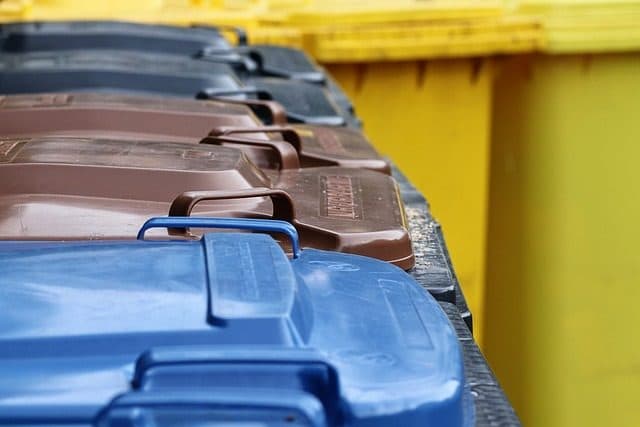
In a world where waste management matters more and more, it comes as no surprise that separating waste can be a challenge. Yesterday a worrying article appeared in De Telegraaf (in Dutch), shining a spotlight on the wrong items ending up in the PMD container and the impact that has on recycling. These findings underline a growing concern: despite our efforts to separate waste, a considerable part of the separated PMD waste remains unsuitable for recycling. Let's take a closer look at this complex issue and discover how EcoScan, with its innovative recycling app, opens the way to better waste separation.
The Complexity of Separating Waste
The article in De Telegraaf reveals a worrying fact: almost 30% of the PMD waste (plastic, metal and drink cartons) separated by Dutch households turns out to consist of other kinds of waste. This leads to a considerable amount of incorrectly separated waste that is ultimately incinerated, with all the environmental consequences that come with it. This situation raises questions about how effective our efforts to process waste sustainably really are.
Incorrectly Separated Waste and Its Impact
Incorrectly separated waste has a domino effect on the recycling process. Not only are valuable materials not used to the full, but the energy and resources invested in collecting and processing separated waste are lost as well. This adds to the growing waste problem and has direct consequences for our environment and for future generations.
EcoScan: The Way to Better Waste Separation
Fortunately there is light at the end of the tunnel, in the form of the EcoScan app. EcoScan has developed a smart solution to tackle this complex problem. Using advanced technologies such as photo and barcode recognition, EcoScan lets users determine easily and accurately where their waste belongs. This minimises confusion and increases the chance of correct waste separation.
| Problem | EcoScan Solution |
|---|---|
| Wrong items in the bin | Take a photo, EcoScan tells you what to do |
| Rules that are unclear | EcoScan is your guide, no guesswork |
| CO2 emissions from incineration | Correct separation means less incineration |
Why Machines Alone Are Not Enough
You may be wondering: "Why don't we just let machines do the work?" That's a fair question. Machines are fantastic - they can do many tasks, such as telling milk cartons and food scraps apart. However, they have their limits too. Especially with films and flexible materials, they are rather selective. Here's why a combination of human effort and technology is the most promising way forward:
A Human Eye for Detail: Sometimes there are subtle nuances that machines simply can't notice. This is where your eye for detail can be invaluable.
Working Together with Machines: Machines can be fantastic, there's no arguing about that. But let's be honest: if everything ends up in one container, it also contains food scraps that make packaging dirty and unsuitable for recycling. That means less can be recycled properly.
So while machines certainly play a role in improving waste management, let's not forget that human involvement really matters when separating waste too.
The Role of Technology in Waste Separation
EcoScan's unique approach is based on the fact that separating waste is not only the responsibility of individuals, but of technology as well. The app takes away the complexity that often comes with recognising the right category for each item. This means users no longer have to guess which waste goes in which bin.
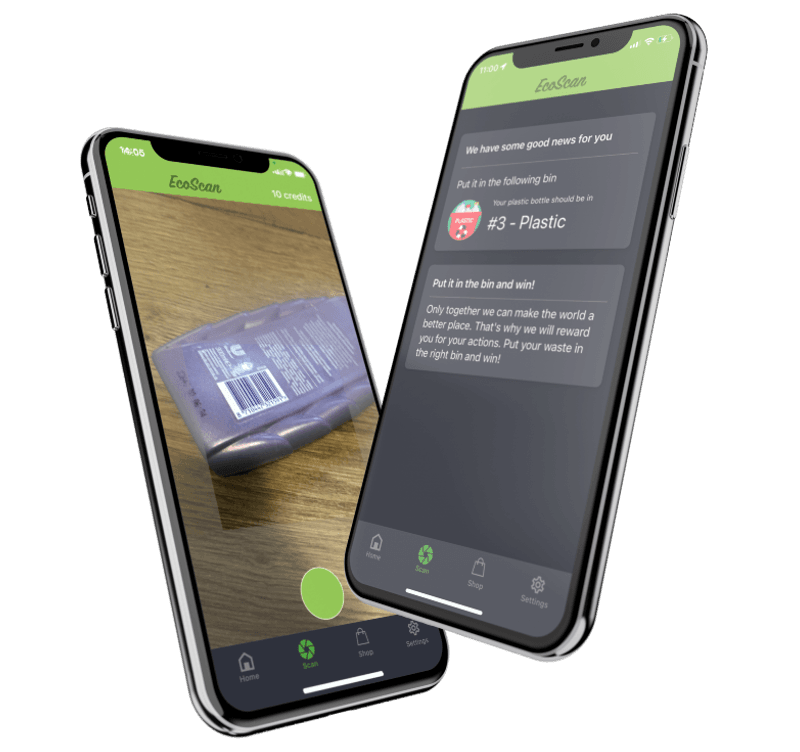
Recycle waste and get rewarded
It's clear that incorrectly separated waste is a big challenge for effective recycling. EcoScan's innovative approach offers a solution that helps users separate waste correctly. On top of that, we reward users with EcoCoins. You can exchange them in the shop for products that help you produce less general waste or pick up litter. Together we encourage a sustainable future. So download the app now.